Fixed screen panels
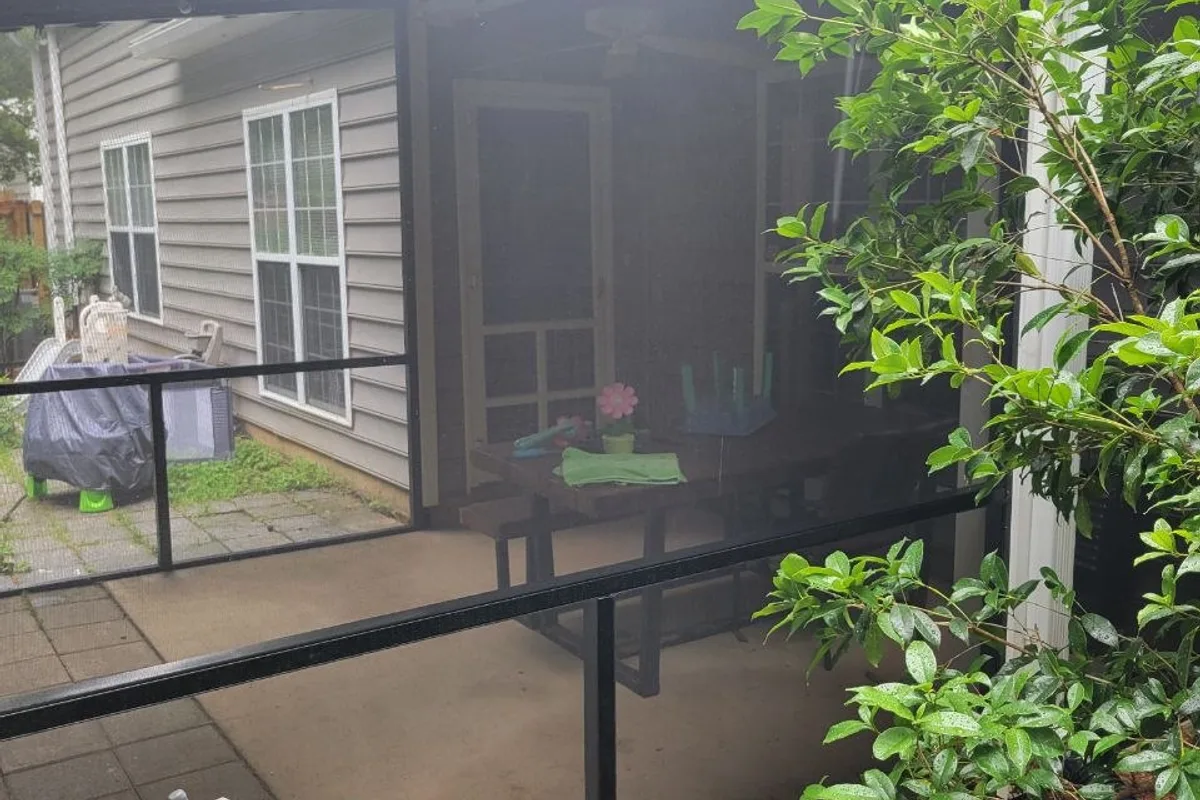
Screen set into an aluminum frame in each opening, with a screen door. The most affordable and lowest-maintenance way to screen a porch. See screened-in porches.

For most porches, standard 18x14 fiberglass or a clearer screen like Phifer BetterVue is the right choice. Pick 20x20 no-see-um mesh if gnats and tiny insects get through, TuffScreen if pets or kids are hard on screens, and solar or privacy fabric for hard afternoon sun or close neighbors. No insect screen keeps out pollen; that takes windows that close.
Cost: Screened porches Valverax completed November 2024 – November 2026 typically cost $3,600 to $6,300 (the middle half of projects; median $5,000). The price depends on the number and size of openings, the screen mesh, doors, knee walls or kick plates, and any framing work. Closing the same porch with vinyl-film windows typically runs $10,100 to $16,600.
Pricing is subject to change due to supplier pricing, material costs, inflation and other factors. These ranges are for planning only and are not a quote; your written proposal sets your price. Full cost guide
Valverax LLC installs fixed and retractable porch screens • Licensed & Insured • Serving NC & SC since 2019
Mesh numbers are strands per inch in each direction: the higher the numbers, the smaller the openings. Specifications are the manufacturer's (Phifer).
| Screen | Mesh and material | Best for | Trade-off |
|---|---|---|---|
| Standard fiberglass | 18x14 fiberglass | Most porches: keeps out typical insects with good airflow and view | Tiny insects can get through |
| BetterVue | Finer yarns in a tighter weave | Porches where the view matters most | Typically costs more than standard |
| No-see-um | 20x20 fiberglass | Gnats, no-see-ums and other small insects; near water or woods | A little less airflow and a slightly darker view |
| TuffScreen | Vinyl-coated polyester | Pets, kids and busy doors; tear and puncture resistant | Less clear than fine screens |
| Solar insect screen | 20x30 vinyl-coated fiberglass | Sunny porches; Phifer rates it at up to 65% of the sun's heat blocked | Darker from the inside, less airflow |
| Privacy and shade fabric | Tighter shade fabrics in several colors and openness levels | Shade, glare and privacy from neighbors; often on retractable screens | Not for full airflow; harder to see through from outside than in |
Not sure which fits? We'll go over the options for your porch at the consultation.
Screen set into an aluminum frame in each opening, with a screen door. The most affordable and lowest-maintenance way to screen a porch. See screened-in porches.
Screens that roll up into a housing when you want the porch fully open, by hand or with a motor. Motorized units suit wide openings and can carry shade or privacy fabric. See retractable screens and motorized screens.
Screens keep out bugs. They don't keep out pollen, wind-driven rain or cold, because those pass through any mesh. If spring pollen is the reason you don't use your porch, the next step is a three-season enclosure: vinyl-film or glass panels that slide open to a screen for air and close when the pollen or rain comes.
More on our YouTube channel.
East Forest, Charlotte NC
View this project →
Colton Ridge, Indian Trail NC
View this project →
Mint Hill, NC
View this project →For most porches, a standard 18x14 fiberglass screen or a finer, clearer screen such as Phifer BetterVue is the right choice. Choose 20x20 no-see-um mesh if gnats and other tiny insects are a problem, TuffScreen if pets or kids push on the screens, and solar or privacy fabric for a porch that gets hard afternoon sun or faces the neighbors.
The numbers are strands per inch in each direction. 18x14 is standard insect screen. 20x20 has smaller openings that keep out no-see-ums, gnats and other tiny insects; the trade-off is a little less airflow and a slightly darker view.
Pros: it keeps out no-see-ums, gnats and other small insects that pass through standard screen, and it gives a little more daytime privacy. Cons: slightly less airflow and a slightly less clear view than standard 18x14 screen.
If pets, kids or heavy use tear standard screen, often yes. TuffScreen is vinyl-coated polyester that Phifer describes as tear and puncture resistant and about three times stronger than standard fiberglass. The view through it is not as clear as a fine screen like BetterVue.
No. Pollen grains are far smaller than the openings in any insect screen, including 20x20 no-see-um mesh. Screens slow down leaves and some debris, but to keep pollen out the openings need panels that close, such as vinyl-film or glass windows.
Screened porches Valverax completed November 2024 – November 2026 typically cost $3,600 to $6,300 (the middle half of projects; median $5,000). The price depends on the number and size of openings, the screen mesh, doors, knee walls or kick plates, and any framing work. Pricing is subject to change due to supplier pricing, material costs, inflation and other factors. These ranges are for planning only and are not a quote; your written proposal sets your price. See the porch enclosure cost guide for recent projects.
Fixed screen panels are the most affordable and work for most porches. Manual retractable screens roll away when you want the porch fully open. Motorized retractable screens do the same at the push of a button and suit wide openings, and they can use shade or privacy fabric instead of insect mesh.