Parts of a Roof: Names, Diagram and Glossary

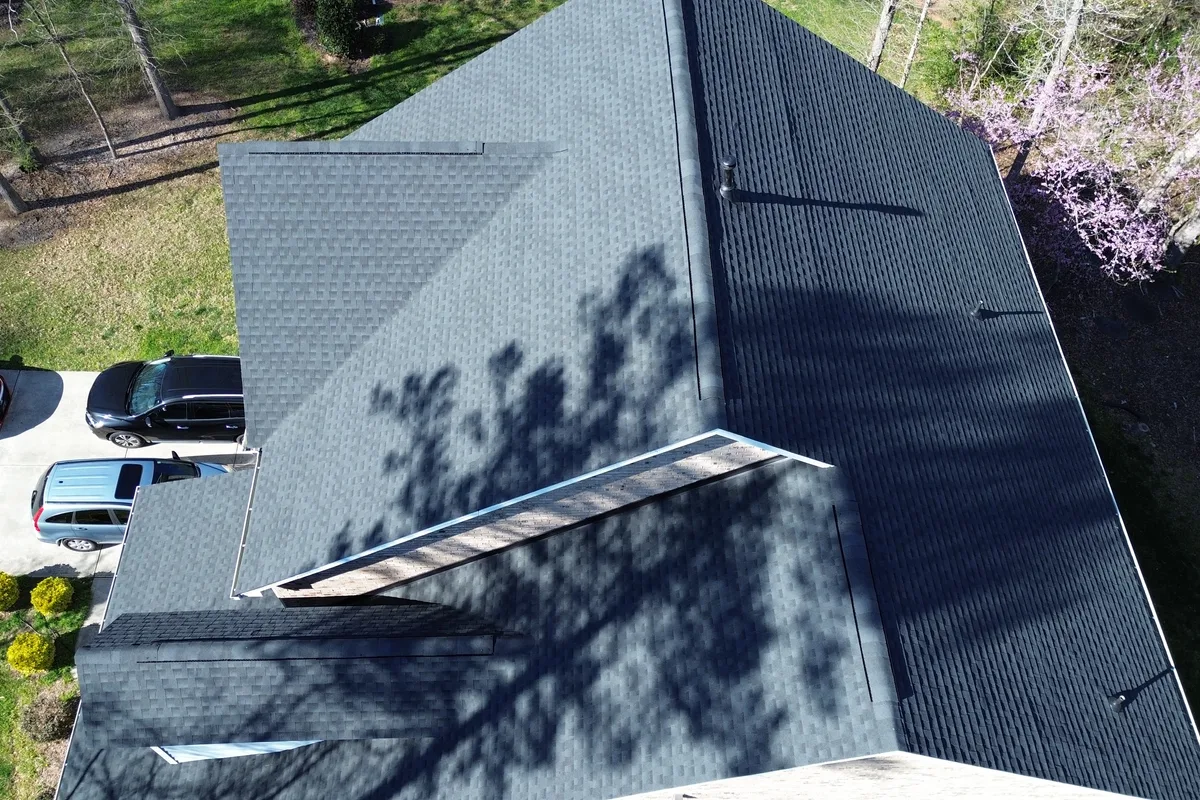
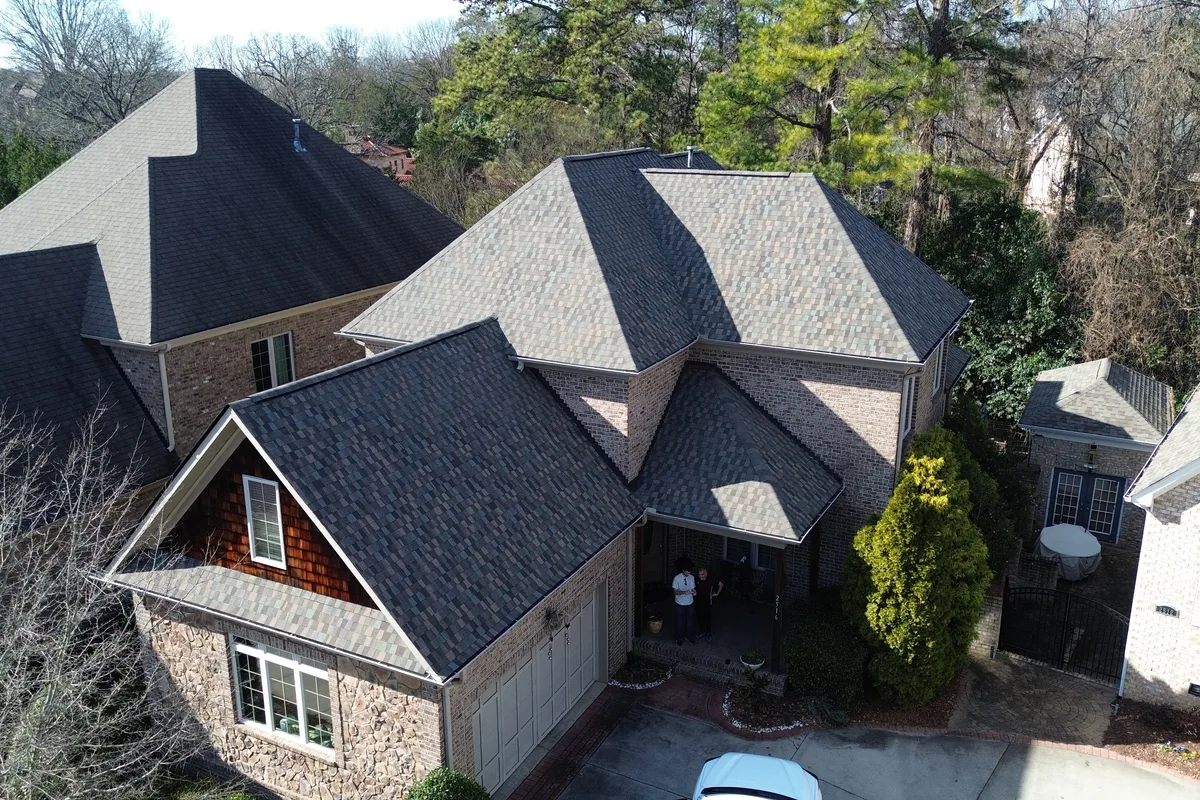
The main parts of a house roof: the ridge at the peak, the shingles on each slope, hips and valleys where slopes meet, and the edges: eaves along the bottom (with fascia, soffit, drip edge and gutters) and rakes up the sloped gable ends. Under the shingles are underlayment, a leak barrier at the vulnerable spots, the decking, and the rafters or trusses that hold it all up. Flashing seals around chimneys, walls and pipes.

Valverax LLC roofing: inspections, repairs, replacements, gutters • NC #99348 • SC RBS 62939

Roof Diagram

Labeled diagram of the parts of a house roof A gable roof showing the ridge and ridge vent, shingles, chimney flashing, a pipe boot, the rake board along the gable edge, and along the eave the drip edge, fascia, gutter and soffit. Ridge & ridge cap Ridge vent Chimney flashing Rake (rake board) Shingles Pipe boot Eave & drip edge Gable Fascia Soffit Gutter
Simplified gable roof. Hips, valleys and the layers under the shingles are explained below. On a phone, swipe sideways to see the whole roof.

Roof Edges and Trim

Eave
The lower, horizontal edge of a roof slope that overhangs the wall. Gutters hang along the eaves.
Rake
The sloped edge of the roof at a gable end, from the eave up to the ridge. Its trim is the rake board (also rake fascia or barge board).
Fascia
The vertical trim board along the eaves that closes off the rafter ends and carries the gutters.
Soffit
The underside of the overhang, between the fascia and the wall. Vented soffit lets air into the attic.
Drip edge
An L-shaped metal strip along the eaves and rakes that sends water into the gutter instead of behind it.
Gutters and downspouts
Collect water from the eaves and carry it away from the foundation. Gutter guards keep leaves and debris out.

Peaks, Slopes and Where They Meet

Ridge
The horizontal peak where two slopes meet at the top, covered with ridge cap shingles.
Hip
The outside angle where two slopes meet and run down to a corner, also covered with cap shingles.
Valley
The inside angle where two slopes meet. Water from both slopes runs through it, so it gets extra protection underneath.
Gable
The triangular wall at the end of a pitched roof, between the two rakes.
Pitch
How steep the roof is, written as rise over 12 inches of run (for example, 6/12).

The Layers Under the Shingles

Shingles
The overlapping top layer that sheds water, usually asphalt architectural shingles. A starter strip along the edges seals the first course.
Underlayment
A water-resistant sheet (synthetic or felt) over the whole deck, the backup layer under the shingles.
Leak barrier (ice and water shield)
A self-adhering waterproof membrane at the most vulnerable spots: eaves, valleys and around chimneys, walls and pipes, where code or the manufacturer calls for it.
Decking (sheathing)
Plywood or OSB boards nailed to the framing that everything else is fastened to. Soft or rotted decking is replaced during a roof replacement.
Rafters or trusses
The framing that holds the roof up: rafters are individual sloped boards; trusses are factory-built triangles.

Flashing, Vents and Penetrations

Flashing
Metal that seals joints water could get into: step flashing where a roof meets a wall, chimney flashing (step and counter flashing) around chimneys, and valley metal on some roofs.
Pipe boots
Rubber-and-metal collars that seal around plumbing vent pipes. Cracked boots are a common leak source.
Ventilation
Intake vents (usually in the soffit) and exhaust vents (often a ridge vent) that move air through the attic to release heat and moisture.

Rake vs. Fascia

Both are trim on the roof's edge. The fascia runs horizontally along the eaves and carries the gutters. The rake board runs up the sloped edge at a gable end, where there are no gutters. On many homes both are wrapped in aluminum to protect the wood, and both should be checked for rot when a roof is replaced.

Watch: What We Found Inside a Leaking Roof

More on our YouTube channel.

Recent Valverax Roofing Projects

Leak, Storm Damage or Just Time for a New Roof?

Valverax inspects, repairs and replaces roofs, gutters and gutter guards across the Charlotte area and the Carolinas.

Request a Roof Inspection Roofing Services

Frequently Asked Questions

What are the parts of a roof called?

From the top down: the ridge (the peak, covered by ridge cap shingles), the roof planes covered in shingles, hips and valleys where planes meet, and the edges: eaves along the bottom and rakes along the sloped gable ends. The trim at the edges is the fascia and rake board, with the soffit underneath and gutters along the eaves. Under the shingles are underlayment, leak barrier, decking and the rafters or trusses.

What is the rake of a roof?

The rake is the sloped edge of a roof at a gable end, running from the eave up to the ridge. The trim board that covers it is the rake board, also called rake fascia or barge board.

What is the difference between the rake and the fascia?

Both are trim on the roof's edge. The fascia runs horizontally along the eaves, where the gutters attach. The rake board runs up the sloped gable edge, where there are no gutters. On many homes both are wrapped in aluminum to protect the wood.

What is under roof shingles?

Under the shingles is underlayment, a water-resistant sheet over the whole roof, plus a self-adhering leak barrier (ice and water shield) at vulnerable areas such as eaves, valleys and around penetrations where required. Under that is the roof decking, usually plywood or OSB sheathing, nailed to the rafters or trusses.

What is a drip edge on a roof?

Drip edge is an L-shaped metal strip along the eaves and rakes. It directs water off the roof edge into the gutter instead of letting it run behind the gutter onto the fascia and decking.

What is a roof valley?

A valley is the inside angle where two roof slopes meet. Water from both slopes runs through it, so valleys get a leak barrier underneath and careful shingle or metal detailing on top.

How often should a roof be inspected?

A good habit is to look the roof over at least once a year and after any major storm, checking for missing or lifted shingles, damaged flashing, clogged gutters and stains on ceilings or in the attic. A roofer can inspect what you can't safely see.