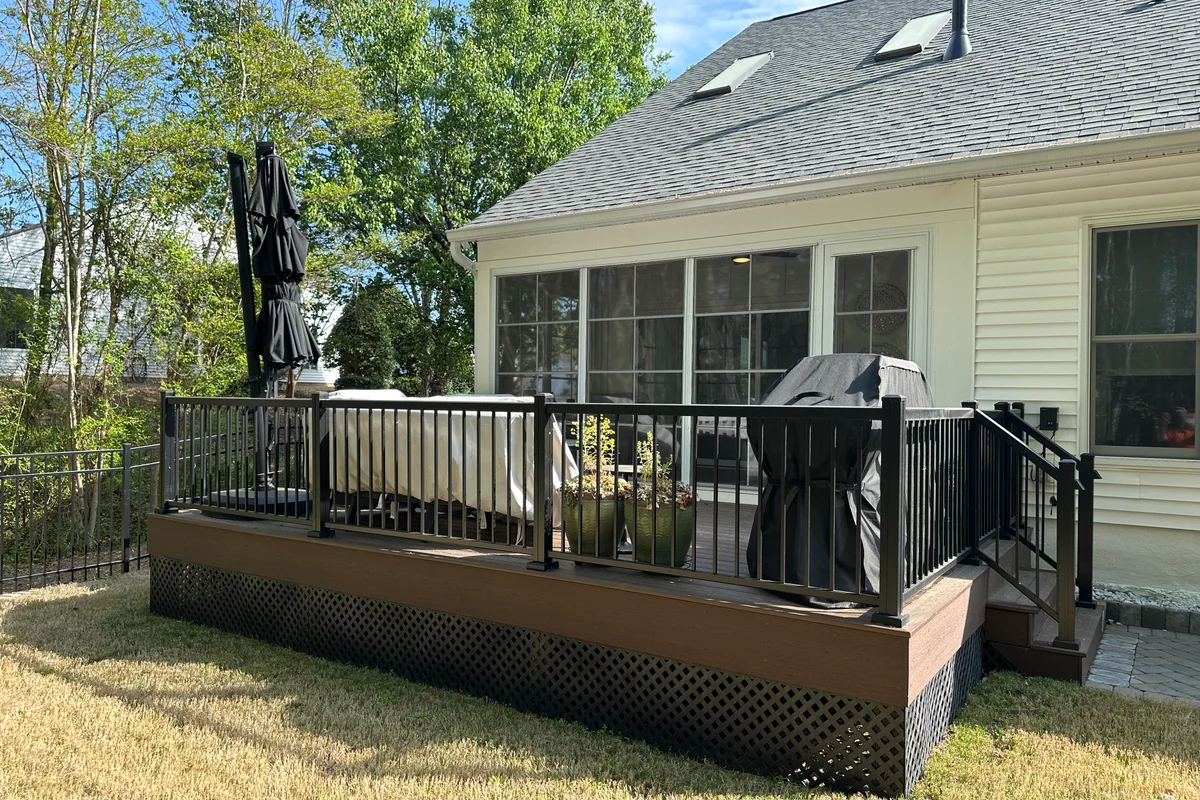
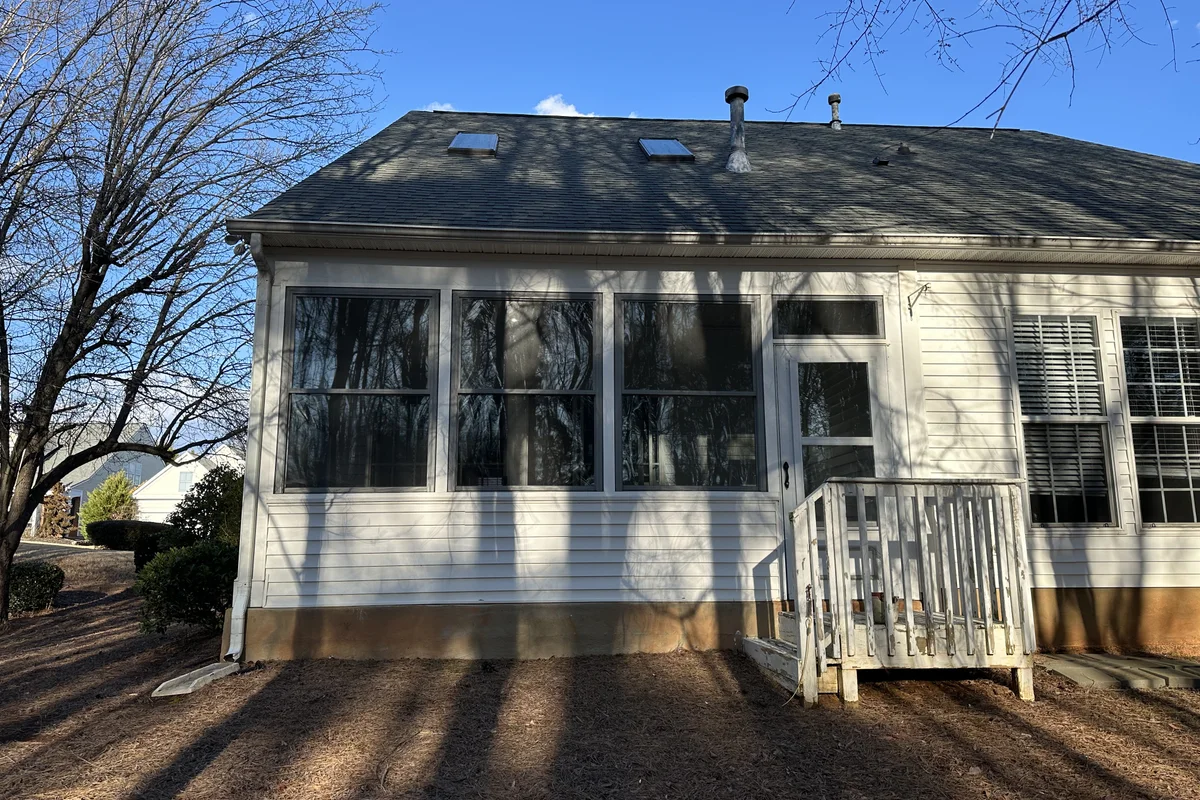
Mecklenburg County is divided into eight separate municipalities, and every one of them has its own building department, its own permit submission process, and its own zoning rules that affect porch and deck projects. Valverax LLC works inside all of them. We pull permits, handle inspections, and build 3-season vinyl-film enclosures and composite deck systems that hold up to the specific demands of this county's climate and its codes.
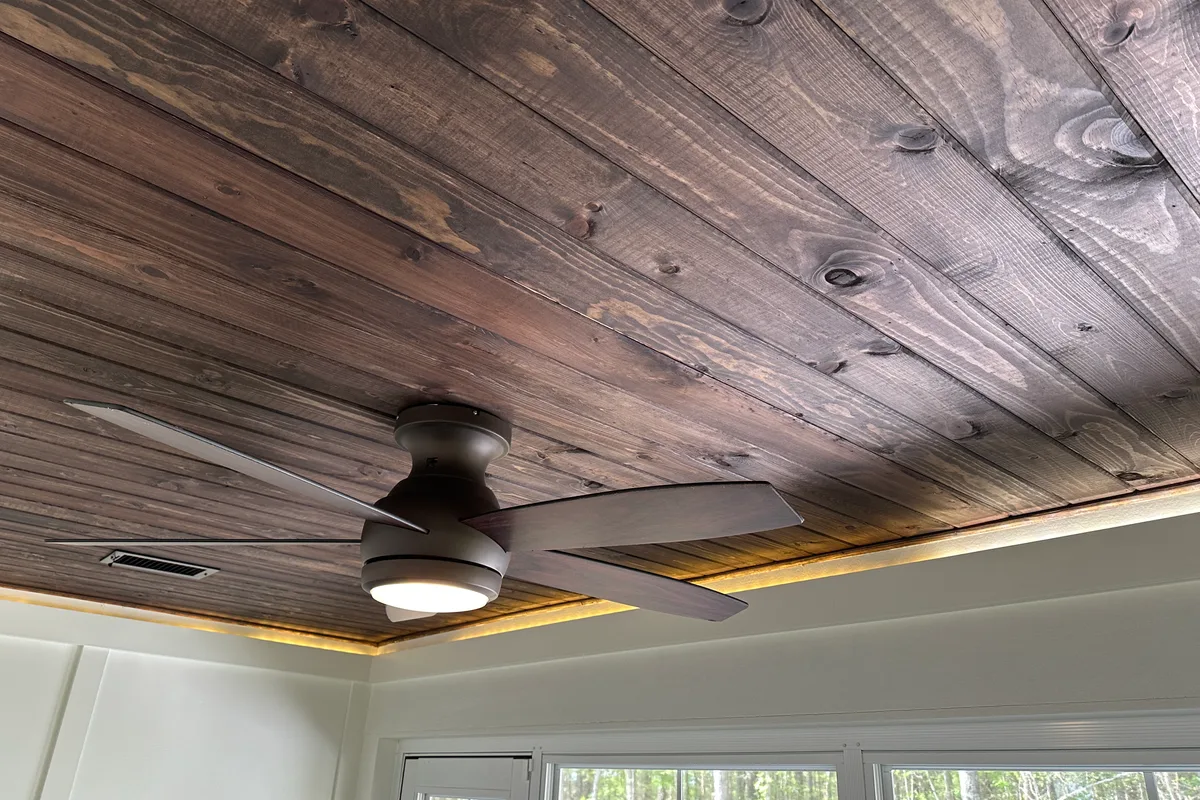
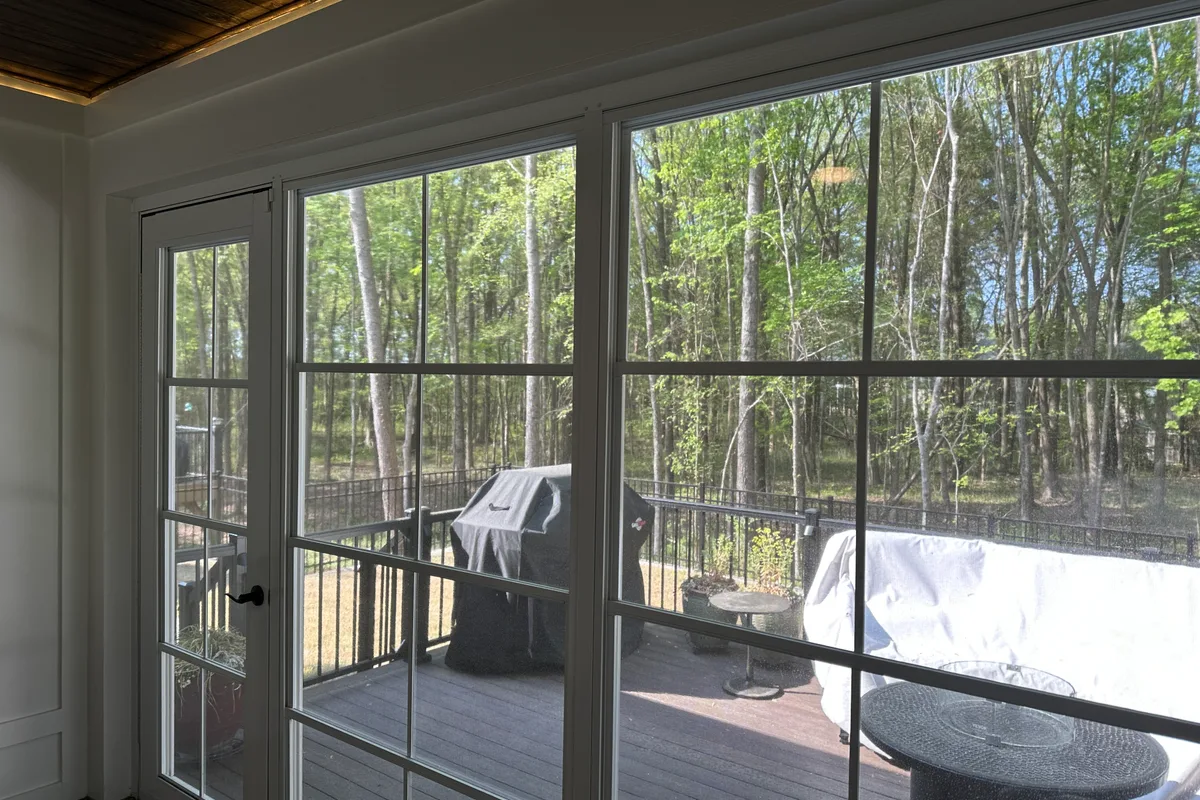
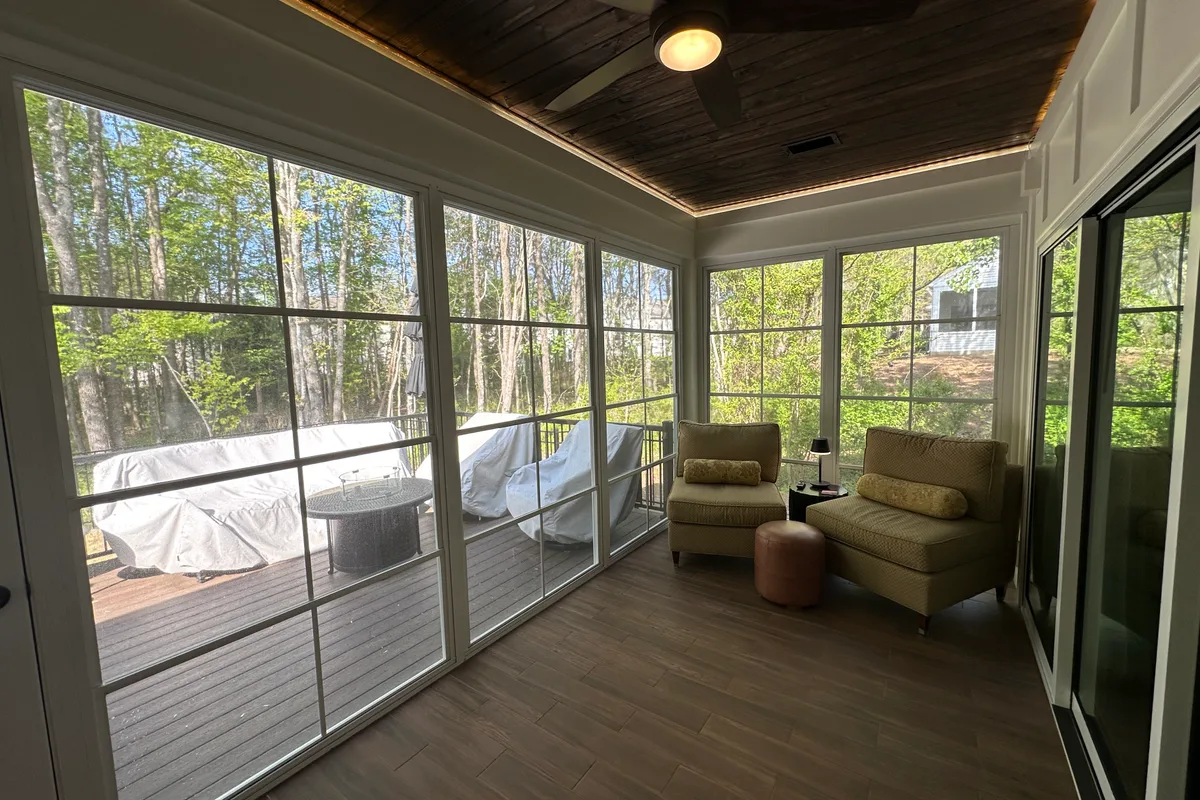
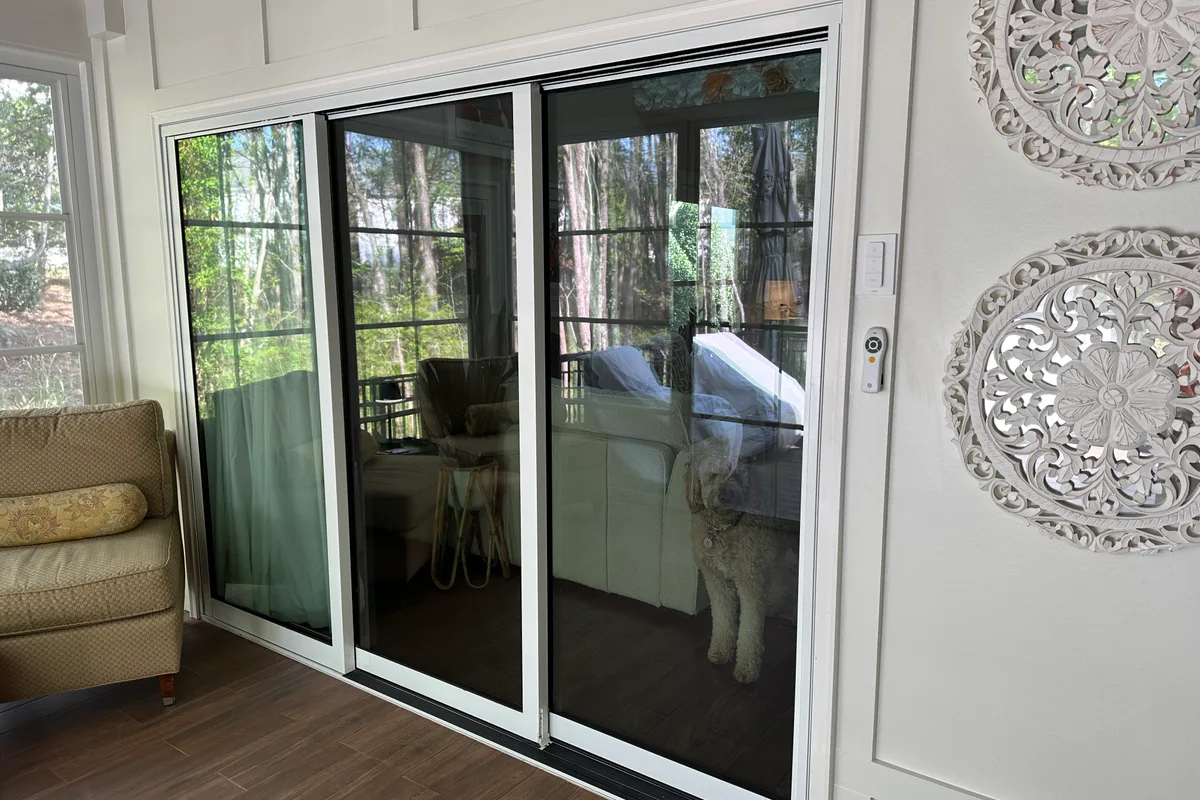
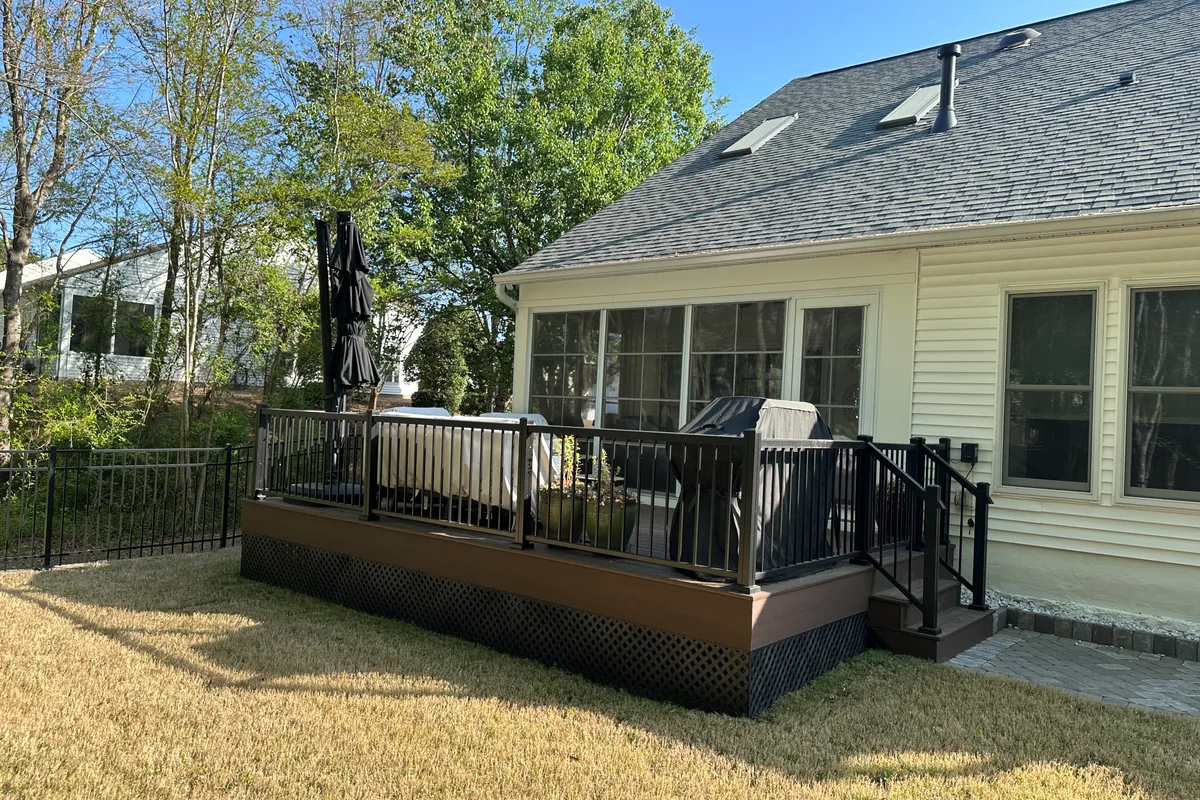
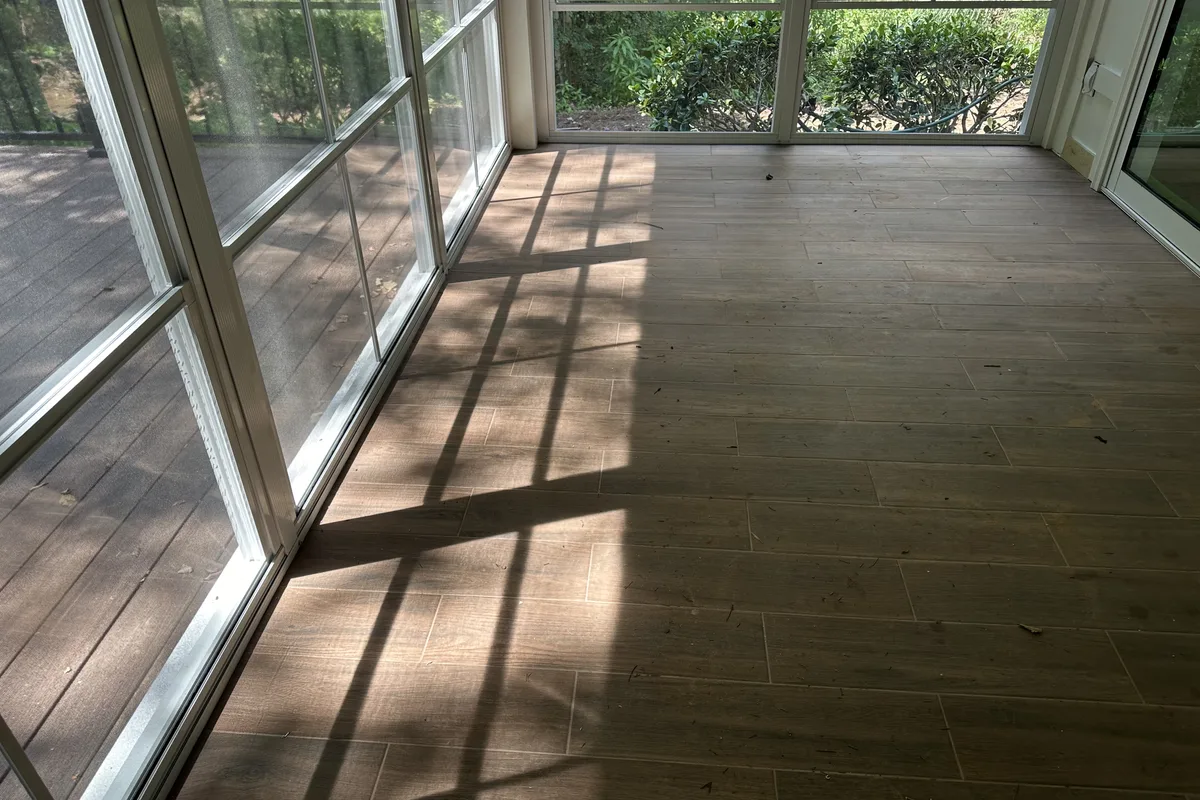
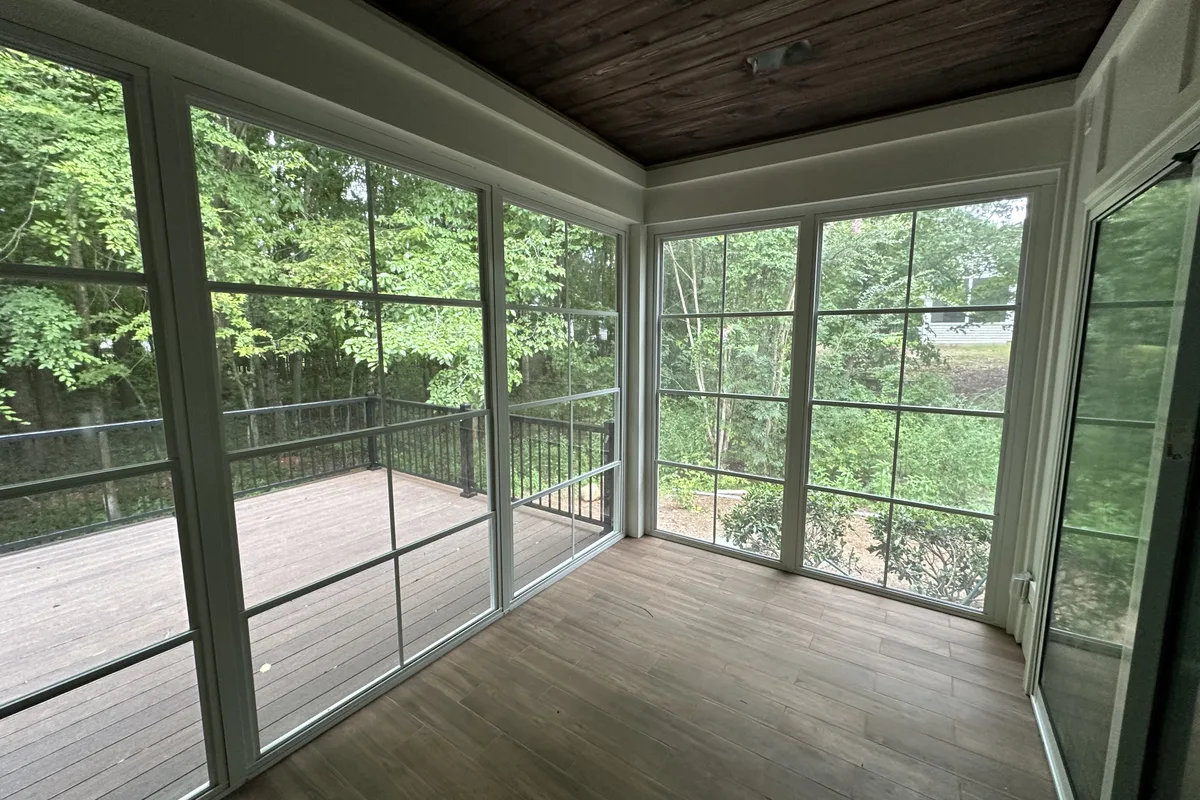
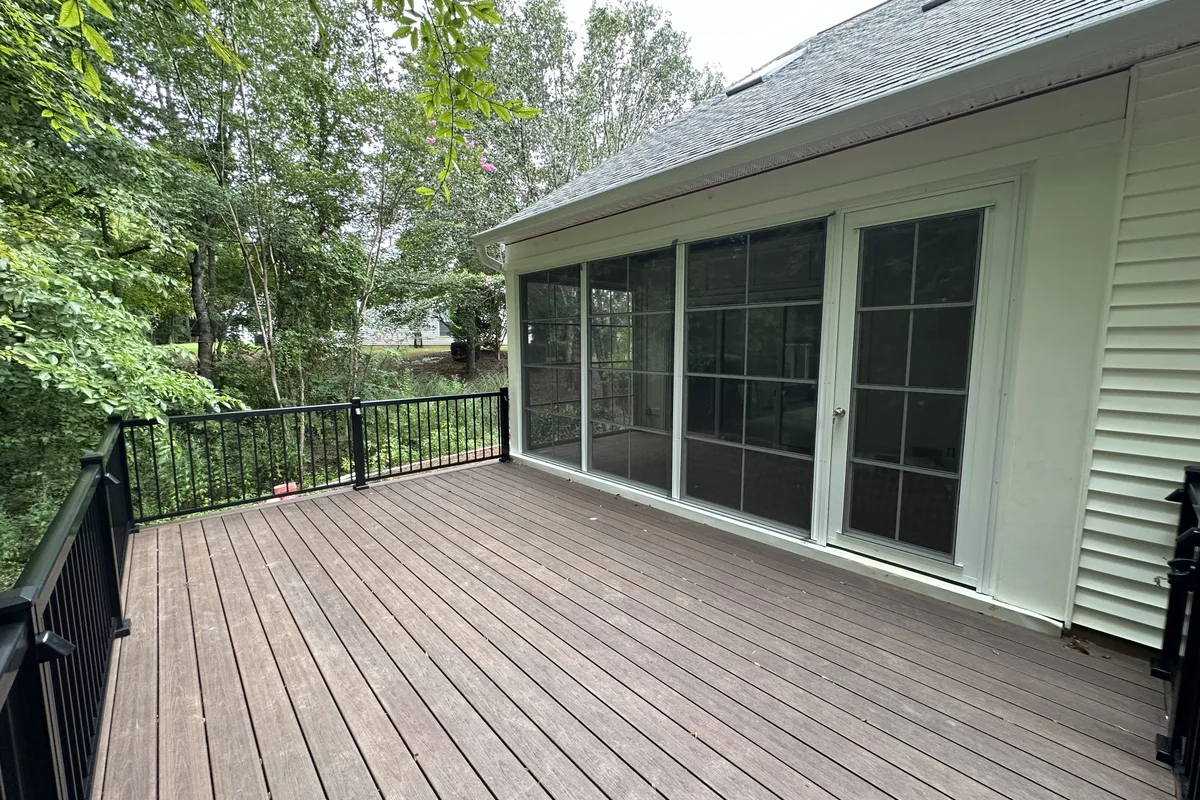
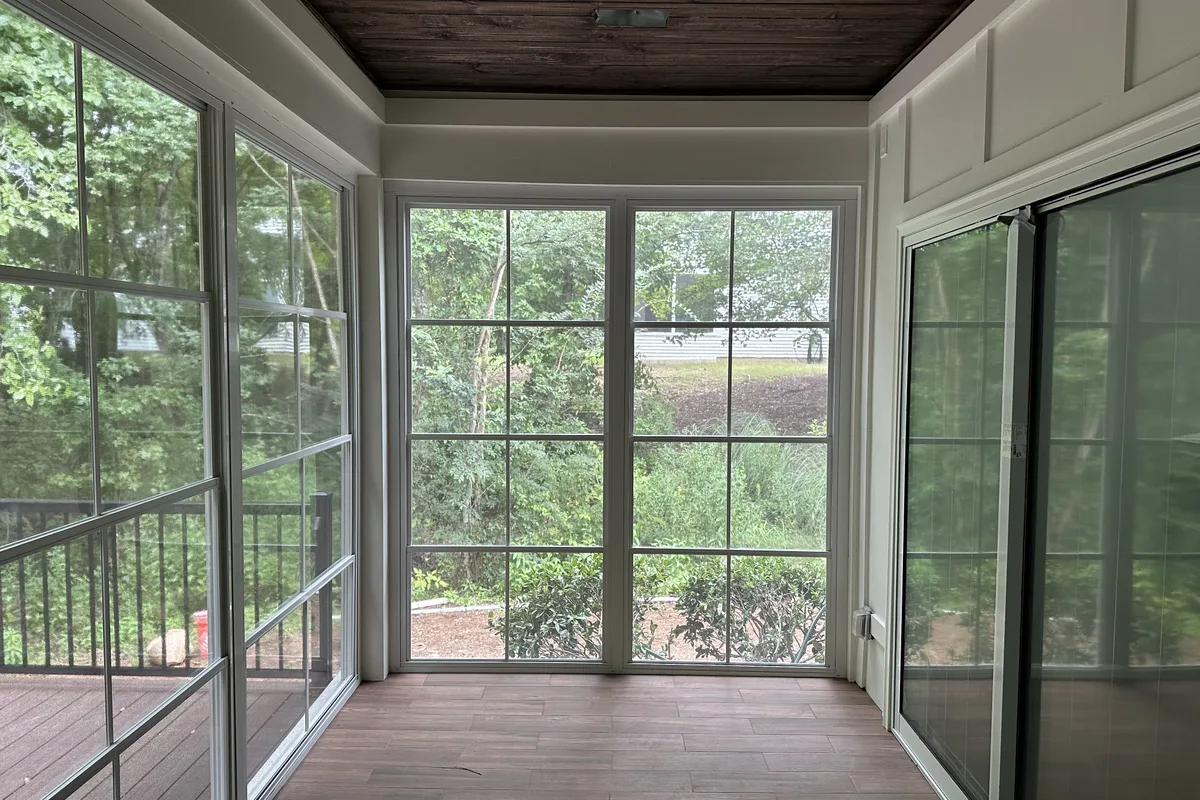
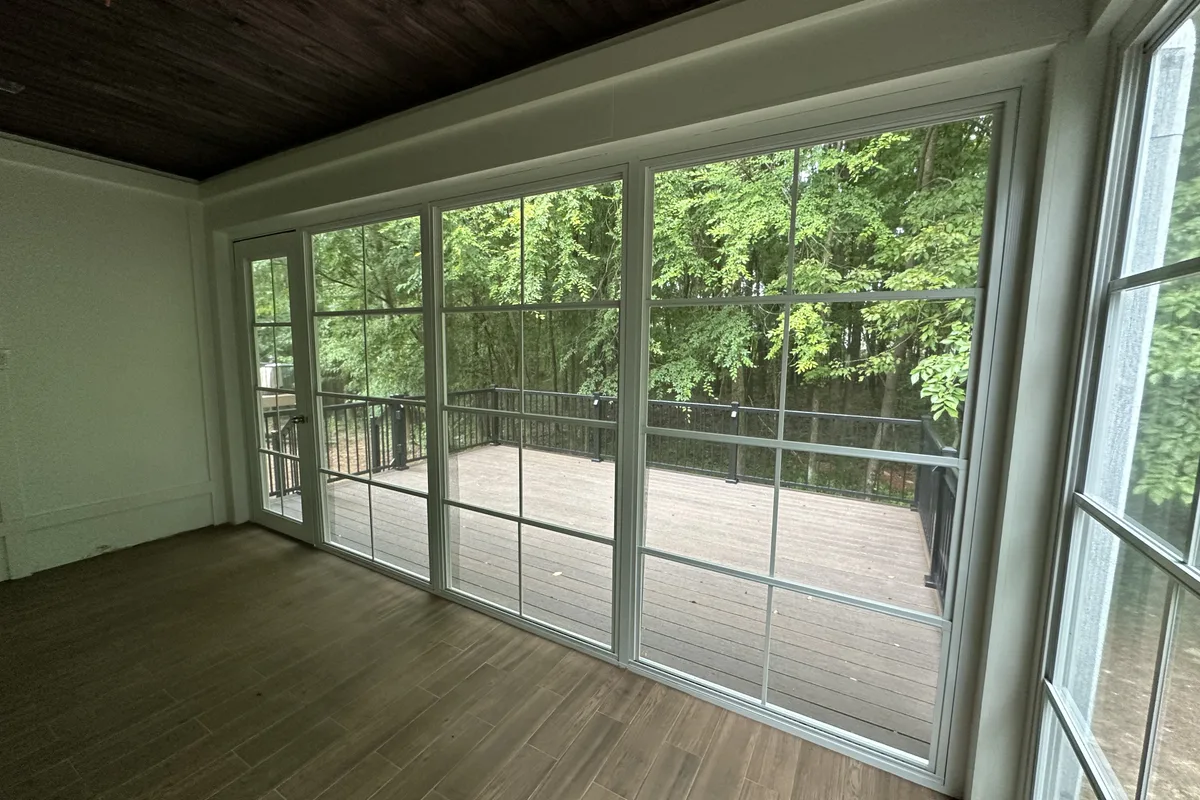
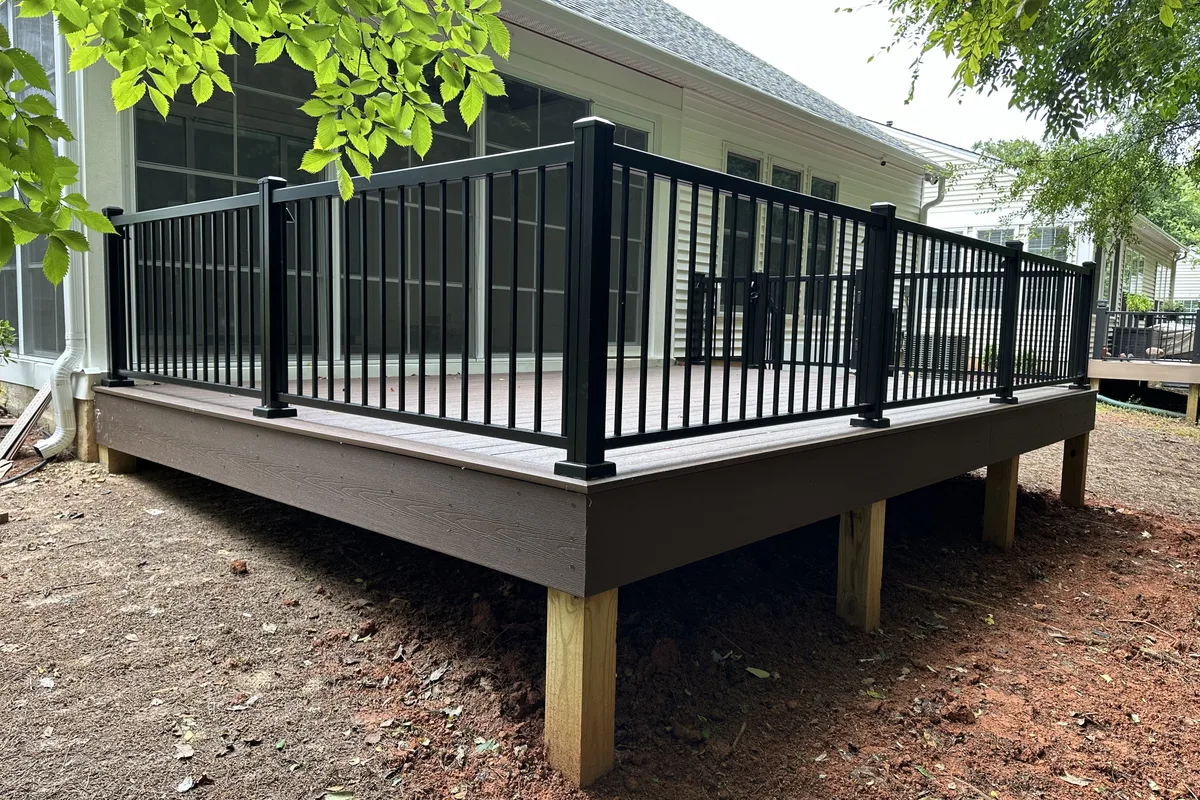
This video covers the full scope of the Elrose project: the structural problems we uncovered once the demo was underway, how we addressed the sloped concrete floor and rotted framing, and the finished 3-season enclosure with its new composite deck, aluminum railing, and stained pine ceiling. It is a useful reference for any Mecklenburg County homeowner wondering what a project like this actually involves from start to finish.
The Elrose neighborhood sits in west Charlotte, inside the City of Charlotte limits, which means all structural work on this property fell under Charlotte's permitting jurisdiction rather than a separate municipal building department. That distinction matters because Mecklenburg County homeowners in Cornelius, Davidson, Huntersville, Matthews, Mint Hill, and Pineville are each subject to their own municipality's permitting office and its own submission requirements, fees, and inspection schedules. Understanding which jurisdiction applies to a property before work begins is a step that gets skipped more often than it should.
On this Elrose project, we submitted for and received a City of Charlotte building permit before any structural work started. Footings for the new deck were installed to code and passed inspection before framing began. The framing itself was reviewed before decking and enclosure work covered it. That sequenced inspection process is not optional for permitted structural work inside Charlotte, and the same general requirement applies in each of the county's other municipalities, even though the specific timelines and submission portals differ.
Once permits were in hand and the existing porch was demolished, what we found inside the walls was consistent with what we encounter on older Mecklenburg County homes where porches have been exposed to the county's humid climate for years without adequate ventilation or drainage. The original header had deteriorated badly enough that it needed full replacement with a new LVL beam. Both posts were rotted at the base and had to be replaced with new pressure-treated material before any finish work could be considered. The concrete slab, meanwhile, had developed a slope away from the house that was creating water intrusion along the base of the walls.
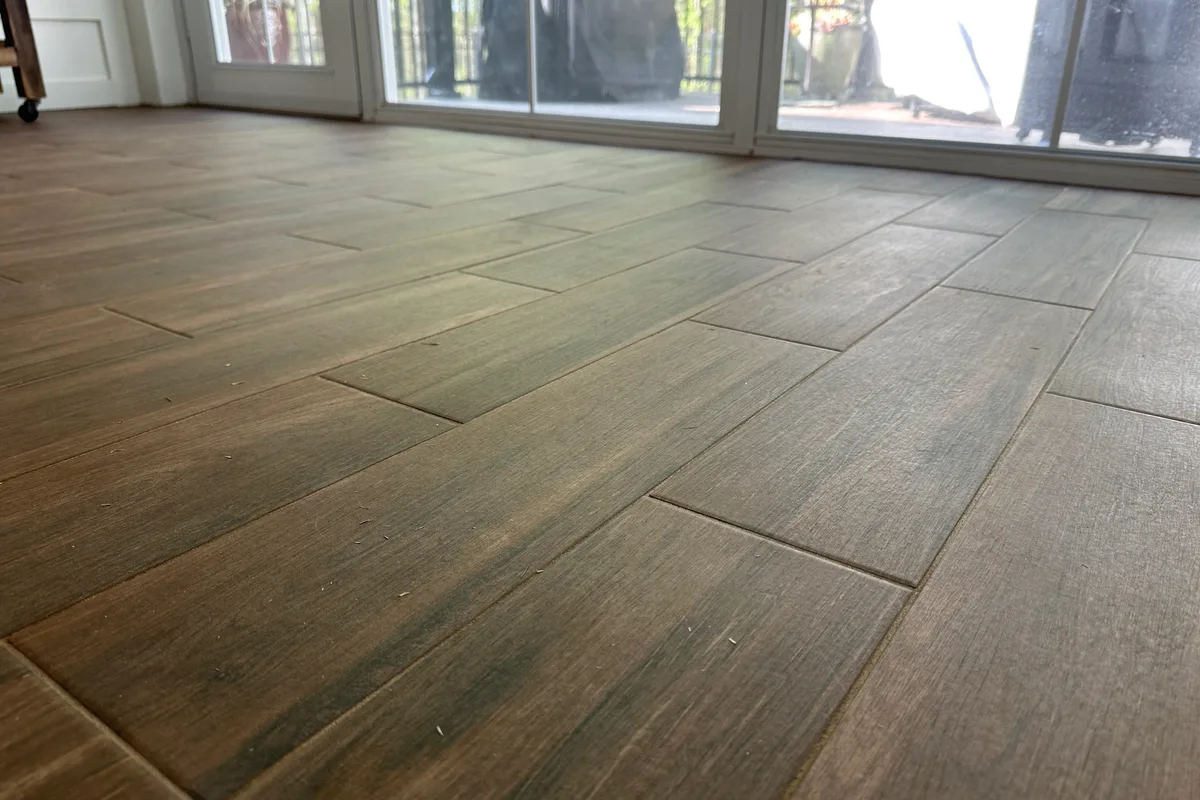
We addressed the structural issues first, then corrected the floor slope and installed Baltimore Wengue 6x24 porcelain wood-look tile over a crack-prevention membrane. The membrane is specifically designed to isolate the tile layer from movement in the concrete below, which is important on a slab that had already demonstrated uneven settling. The interior house walls inside the porch, previously covered in vinyl siding that had softened and buckled in the enclosed space, were reclad with HardiePanel vertical siding combined with Hardie Trim Batten boards. The result is a clean board-and-batten look using a fiber cement product that handles the heat and humidity inside an enclosed porch far better than vinyl does.
The ceiling got a complete overhaul as well. Aged vinyl soffit panels were removed and replaced with stained Tongue and Groove Pine planks, and a perimeter LED lighting channel was added to illuminate the room without visible surface-mounted fixtures. The enclosure system itself uses Craft-Bilt Vinyl-Film Stacking Windows and a matching door set in an all-aluminum wall system. The stacking panels give the homeowner direct control over airflow: panels can be raised from the bottom to let in a cross-breeze, or cracked at the top to release heat that accumulates on warm afternoons, without fully opening the room to pollen or insects.
Outside, we built a complete new deck on pressure-treated framing with code-compliant footings, surfaced with Fiberon Sanctuary Espresso composite decking installed with hidden fasteners. The railing is a Craft-Bilt aluminum system with integrated LED lights. A swing gate was incorporated into the railing layout so the homeowners' dog can use the deck without being able to leave it. Vinyl lattice panels complete the skirting below the deck. The entire project closed out with a City of Charlotte final inspection sign-off in August 2024.
The Elrose project is a useful reference point for any Mecklenburg County homeowner considering a similar scope because it shows what happens when the assessment is thorough, the permits are in order, and the structural problems are addressed honestly before finish materials go in. That sequence is what separates a project that holds up from one that develops problems within a few years.
One of the most common points of confusion for Mecklenburg County homeowners starting a porch or deck project is the assumption that permits work the same way across the entire county. They do not. Mecklenburg County is divided into eight separate municipalities, each with its own building department and its own process for reviewing and approving structural work. Valverax LLC works across all of them, but understanding which rules apply to your property affects everything from how long permitting takes to what your HOA can require on top of municipal code.
Most Mecklenburg County enclosure and deck projects, including this Elrose job, fall under the City of Charlotte's permitting system. Charlotte uses an online portal for permit submissions, and structural projects like deck additions and porch enclosures require plan review before a permit is issued. Sequenced inspections at footing, framing, and final stages are standard. Charlotte also has its own zoning ordinances that govern setbacks, lot coverage, and impervious surface limits, all of which can affect deck size and placement.
The lake communities in northern Mecklenburg County each have their own building departments and development standards. Huntersville and Cornelius both enforce their own zoning ordinances, and properties near Lake Norman may be subject to additional shoreline buffer requirements that affect where a deck can be built and how large it can be. HOA requirements in planned communities across these towns often add a second layer of approval that runs parallel to the municipal permit process.
Matthews and Mint Hill are incorporated towns in the southeastern part of the county with their own permitting offices. Both towns have adopted the North Carolina State Building Code with local amendments. Homeowners in established subdivisions in Matthews frequently encounter HOA architectural review requirements for any exterior modification, including porch enclosures. Valverax coordinates directly with HOA management on your behalf when that approval process is part of the project scope.
Pineville sits along the southern edge of Mecklenburg County near the South Carolina border. The town has its own building department and processes permits for residential structural work independently of Charlotte. Pineville's zoning is more compact in many areas, which means setback compliance for deck additions requires careful site-specific review before any design is finalized.
Regardless of which municipality your property is in, Valverax LLC handles the permit application, plan submission, and inspection coordination from start to finish. You do not need to navigate the building department on your own.
A vinyl-film 3-season enclosure is designed around a simple observation: most of the truly uncomfortable weather in Mecklenburg County is concentrated into specific periods, not spread evenly across the year. Understanding which parts of the calendar a 3-season enclosure addresses well, and which it does not, helps homeowners make the right decision for their property.
Homeowners sometimes ask whether a porch enclosure project really requires a permit, especially when the work is being done on an existing structure. In Mecklenburg County, the answer for structural work is consistently yes, and the reasons matter beyond simple regulatory compliance.
A building permit for a deck addition and structural porch enclosure covers three things that protect the homeowner directly. First, it establishes that the structure was built to code, which matters when the home is sold and the buyer's inspector looks for permit history on additions. Second, it creates an official record that the work was inspected and approved, which is relevant if an insurance claim ever involves the space. Third, and most practically, the inspection process itself catches problems during construction while they are still correctable, rather than after finish materials have covered them.
On the Elrose project, working under a City of Charlotte permit meant that the footing depth and concrete were verified before framing was built on top of them. The framing connections and joist spans were reviewed before decking covered them. None of that documentation existed on the original porch structure, which is part of why the rot and drainage problems had developed undetected over years.
For projects in Huntersville, Matthews, Mint Hill, Cornelius, Davidson, or Pineville, the same principle applies through each town's own permitting office. Valverax LLC submits all permit applications, responds to plan review comments, schedules inspections, and provides you with copies of the final approved permit documentation when the project closes out.
Every 3-season enclosure and deck project we take on in Mecklenburg County follows the same disciplined sequence, because consistent process is what produces consistent results across different properties, neighborhoods, and jurisdictions.
We visit the property and evaluate the existing structure before writing a single number. We check framing, drainage, post bases, and any visible signs of deterioration. If we see something that needs to be addressed before finish work begins, we tell you upfront. The Elrose project is a good example: the rot we found during demo was not a surprise to us because we had assessed the structure beforehand and flagged it as a likely issue.
We work through the full scope with you, selecting the enclosure system, decking, railing, ceiling, flooring, and wall finishes that match your goals and your budget. If your neighborhood has an HOA with an architectural review committee, we identify that early and coordinate the submission on your behalf so it runs parallel to the permit process rather than after it.
We submit to the correct building department for your municipality, respond to any plan review comments, and schedule inspections at the required stages. You get a clear project timeline before work begins and a single contact throughout. You do not have to call the building department or track inspection results yourself.
Our crews complete structural work, finishes, and all systems in sequence. When we finish, we walk through every element with you: how the stacking panels operate, how the railing gate latches, how the LED lighting channels connect to power. We do not consider a project done until you understand every part of what was built.
Every product selected for this Charlotte project was chosen for a specific reason tied to long-term performance in Mecklenburg County's climate and the particular conditions of this property. Here is a detailed look at what went in and why it matters.
The stacking panel system is the functional core of a 3-season enclosure. Each panel slides up from the bottom, stacking inside the frame to open the wall for ventilation. The top can also be cracked independently to release heat without fully opening the enclosure. The vinyl-film material is flexible, UV-resistant, and returns to its original clarity and shape through repeated opening and closing cycles. The all-aluminum frame around the system resists corrosion through Mecklenburg County's humid summers, where moisture-trapping at frame joints causes painted steel or wood-framed alternatives to deteriorate prematurely.
Fiberon's Sanctuary line is a capped composite product, meaning the wood-fiber core is fully encased in a polymer shell on all four sides. That cap resists moisture absorption, which is the primary driver of swelling, warping, and mold growth on uncapped composite products in high-humidity climates like Mecklenburg County's. Hidden fasteners eliminate the surface screw holes that collect standing water and debris. The practical result is a deck surface that holds its appearance through years of pollen seasons and summer rain without painting, staining, or sealing.
The interior house walls of an enclosed porch exist in a uniquely demanding environment: they are inside the enclosure but still subject to humidity, temperature swings, and occasional moisture intrusion. Vinyl siding, which had covered these walls previously, is prone to softening and buckling in that environment because it expands and contracts significantly with temperature changes. HardiePanel is a fiber cement product with minimal thermal movement and genuine moisture resistance. The board-and-batten look achieved with batten trim boards also creates a more finished interior aesthetic than plain panel siding alone.
Porcelain tile in a wood-look format was specified here for two reasons. First, it is genuinely impervious to moisture, insects, and the tracked-in debris that comes with an outdoor-adjacent living space. Second, the crack-prevention membrane installed beneath it was essential given that this concrete slab had already demonstrated uneven settling. The membrane creates a flexible bond layer between the slab and the tile that absorbs minor movement without transferring stress to the grout joints or the tile faces. On a slab that had already moved, skipping the membrane would have meant cracked tile within one to two freeze-thaw cycles.
Valverax LLC is a Charlotte-based contractor licensed in North Carolina (License #99348) with direct experience across all eight municipalities in Mecklenburg County. We are not a franchise model or a national company running subcontractors through a call center. Every project we take on is managed by us directly, with permits pulled in our name and our crews doing the work. We find structural problems and tell you about them before we cover them up. We use the products we specify in the contract, not substitutions made after signing. And we do not call a project complete until the permits are closed out and you have walked through every detail of the finished space.
Whether your property is in Charlotte, Huntersville, Matthews, Mint Hill, Cornelius, Davidson, Pineville, or anywhere else in Mecklenburg County, Valverax LLC handles the permits, the structural work, and the finish details that turn an outdated porch into a space you will actually use. Get your free estimate today.